
How to Build an Omnichannel Marketing Strategy
Building an omnichannel marketing strategy means connecting every channel around the customer journey. Here's a practical framework for getting it right.
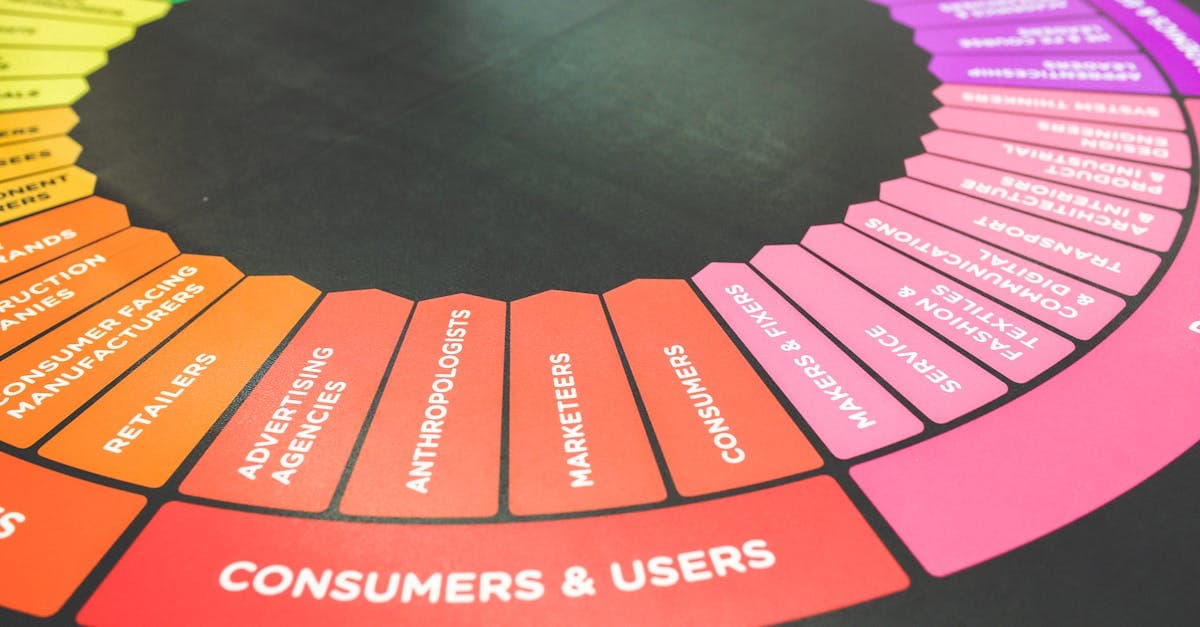
There's a version of "omnichannel" that means "we have a website, Instagram, and email." That's not an omnichannel marketing strategy — that's a checklist. A real omnichannel strategy is about something harder and more valuable: creating a consistent, connected customer experience across every channel your customers use, regardless of how they move between them.
The distinction matters because brands that get it wrong spend money building channel silos that don't talk to each other, can't share data, and deliver inconsistent experiences that erode rather than build trust. Integrated marketing — where every channel reinforces every other and customer data flows between them — is the standard the best brands operate against, and where customer interactions become more relevant with each touchpoint.
What an Omnichannel Marketing Strategy Actually Involves
An omnichannel strategy is not the same as a multichannel strategy — and the difference is more than semantic. Multichannel marketing means you're present on multiple channels. Omnichannel marketing means those channels are connected, share data, and deliver a consistent experience based on where a customer is in their journey.
A customer who discovers you through a TikTok ad, clicks through to your website, abandons the cart, and then sees a retargeting ad on Instagram that references the exact product they looked at — and then receives an email the next morning with a discount on that same product — is experiencing an omnichannel strategy. The channels handed off seamlessly. The experience was continuous, not fragmented.
According to HubSpot's State of Marketing Report, companies with strong omnichannel customer engagement strategies retain an average of 89% of their customers, compared to 33% retention for companies with weak omnichannel engagement. For omnichannel retail in particular, where customers move constantly between digital and physical touchpoints, the business case is unambiguous.
The Foundation: Customer Journey Mapping
You cannot build a connected omnichannel strategy without first understanding how your customers actually move from awareness to purchase to loyalty. That means mapping the journey — not the journey you wish they took, but the one they actually take.
The core questions to answer:
Discovery: Where do customers first encounter your brand? Is it search, social, word of mouth, events, or paid ads? What's the most common entry point and what's the path from there?
Consideration: After discovering you, what do they do next? Do they visit your website, check your Instagram, read reviews? What channels and content types serve the consideration phase?
Conversion: What triggers the decision to purchase or engage? Is there a typical time lag between first touch and conversion? What friction points cause drop-off before conversion?
Retention: After purchasing, how do they stay connected? What drives repeat purchase? Is there a loyalty program, email cadence, or community element that keeps them engaged?
Journey mapping is a research activity, not a whiteboard exercise. Talk to actual customers. Pull data from your analytics. Look at your attribution reports. The map should reflect behavior, not assumptions.
The 4 Pillars of a Strong Omnichannel Strategy
1. Consistent Messaging
Across every channel — social, email, search, in-store, sales conversations — your brand voice, value proposition, and visual identity should be recognizable and coherent. This doesn't mean identical content on every channel (a TikTok and a sales proposal should feel different). It means an identifiable character and consistent core message that doesn't change based on the medium.
Inconsistent messaging is one of the most common omnichannel failures. When the ad says one thing, the landing page says another, and the email follow-up sounds like it's from a different company, trust erodes at every transition.
2. Connected Data
An omnichannel strategy requires a shared data layer. This is what allows a customer who abandoned a cart on your website to receive a relevant email, see a tailored retargeting ad, and have their purchase history reflected in the next piece of communication they receive from you. Without data connectivity between channels, each touchpoint is blind to the others.
At minimum, this means: a functional CRM, pixel or tag implementation across your digital properties, email list integration with your ad platforms (for custom audiences), and a single source of truth for customer data that doesn't fragment across disconnected tools.
3. Channel Integration
Channels need to hand off to each other deliberately, not accidentally. This is the mechanics of omnichannel: your paid social campaigns should drive to landing pages that match the creative and messaging of the ad. Your email sequences should know whether someone clicked and converted before sending the next message. Your retargeting audience should exclude recent purchasers automatically.
This integration is largely a technical implementation challenge — and it's where many brands fall short not because of strategy but because of execution gaps between tools and teams.
4. Unified Creative
Creative assets should be built for adaptation, not just for a single channel. A photo shoot that produces only horizontal, polished product imagery will work on your website but fail on TikTok and Instagram Stories. Strong omnichannel creative planning produces assets in multiple formats, aspect ratios, and lengths so the same campaign can run coherently across every channel where your customers live.
How to Audit Your Current Channel Setup for Gaps
Before building, assess what you have. A channel audit should surface:
- Dead zones: Channels where your audience exists but you have no presence
- Experience breaks: Places where the hand-off between channels breaks the customer experience (ad takes you to a generic homepage instead of a relevant landing page; email CTA sends to a 404)
- Data disconnects: Channels that don't share data with your CRM or ad platforms
- Messaging inconsistencies: Brand voice or visual identity that differs materially across channels
- Attribution gaps: Conversions that can't be connected to a marketing source
A useful tool here is to run through your customer journey yourself — as if you were a new customer — across every channel. The friction points and inconsistencies become obvious when you experience them rather than manage them.
Practical Steps to Build an Omnichannel Strategy
Start with 3–4 Core Channels, Not All of Them
The most common omnichannel strategy mistake is spreading too thin. Businesses try to build presence everywhere simultaneously and end up with weak execution across many channels rather than strong execution across the right ones. Start with the three or four channels where your customers most consistently engage — for most brands, that's some combination of paid social, email/SMS, organic social, and search — and build those out completely before expanding.
A digital marketing agency milwaukee businesses work with will almost always recommend depth over breadth in the early stages of omnichannel build.
Implement a Shared Data Foundation
Before worrying about channel strategy, make sure your data infrastructure is functional. This means:
- CRM with complete, clean customer data
- Website analytics with proper event tracking
- Email platform integrated with your ad platforms for audience sync
- Consistent UTM parameter structure for attribution
Without this foundation, you're optimizing blind.
Map Channel Roles to Journey Stages
Assign each channel a primary role in the customer journey. Paid social for awareness and consideration. Search for high-intent consideration and conversion. Email for conversion and retention. Social for community and organic discovery. This mapping is the backbone of integrated marketing — it prevents channel overlap and makes budget allocation cleaner.
Create a Consistent Creative Framework
Define your visual identity system in a way that allows adaptation across channel formats without losing coherence. This typically includes: a primary color palette, typography rules, photography style guidelines, and a voice/tone document. Executed well, a customer should be able to recognize your brand across channels without seeing your logo.
Common Failure Points and How to Avoid Them
Technology overcomplexity. Many brands overbuy on marketing technology before they have the operational capacity to use it. A sophisticated CDP with poor data hygiene is worse than a simple CRM with clean data. Don't outbuild your team's ability to operate the tools.
Siloed teams. Omnichannel breaks down when social, email, paid, and SEO teams operate independently without shared planning. A weekly channel sync — even just 30 minutes — to align on campaign timing, messaging, and reporting prevents significant execution gaps.
Inconsistent measurement. Measuring each channel independently rather than measuring the full customer journey creates attribution conflicts and misallocated budget. Invest in measurement infrastructure before launching major omnichannel campaigns.
Treating omnichannel as a one-time build. Customer journeys evolve. New channels emerge. Data degrades. Whether you're running omnichannel retail or a B2B service operation, an omnichannel strategy requires regular audits and ongoing optimization — it's a system you maintain, not a project you complete.
How to Measure Omnichannel Marketing Effectiveness
Single-channel metrics (ROAS, click-through rate, open rate) are still useful for channel-level optimization. But measuring an omnichannel strategy requires additional lenses:
- Cross-channel attribution: Which combinations of channel touches drive conversion? A multi-touch attribution model (data-driven or linear) gives a more complete picture than last-click.
- Customer lifetime value by acquisition source: Are customers acquired through omnichannel journeys more valuable over time than single-channel customers?
- Journey completion rate: What percentage of customers who enter the funnel at awareness reach conversion? Where are the biggest drop-off points?
- Customer retention rate: Are customers returning? A strong omnichannel experience should increase repeat purchase frequency and reduce churn.
Margle's full-service marketing approach is built on connecting strategy, creative, and measurement across channels. If you're searching for an omnichannel marketing agency near me to rebuild or stress-test your omnichannel marketing infrastructure, we can help you identify where the gaps are and build a plan to close them.
FAQ
What is an omnichannel marketing strategy?
An omnichannel marketing strategy is an approach that connects all marketing channels around the customer journey, ensuring customers have a consistent, personalized experience regardless of how they move between touchpoints. The key distinction from multichannel marketing is that channels share data and hand off to each other deliberately — the experience is continuous rather than fragmented.
How do I start building an omnichannel strategy?
Start with customer journey mapping: understand where customers discover you, how they evaluate you, what drives their decision to convert, and what keeps them coming back. Then audit your current channel setup for gaps and disconnects. Choose three or four core channels to build out completely before expanding, implement a shared data foundation (CRM, analytics, audience sync), and define a consistent creative framework that adapts across formats.
What channels should be part of an omnichannel strategy?
The right channels depend on where your customers spend time and how they make purchase decisions. For most consumer brands, a core omnichannel set includes paid social (Meta, TikTok, or Pinterest depending on audience), email and SMS, organic social, and search (paid and/or organic). B2B brands typically anchor on email, LinkedIn, search, and content. Build depth in the right channels before adding more.
How do you measure omnichannel marketing effectiveness?
Start with multi-touch attribution to understand which channel combinations drive conversion. Layer in customer lifetime value analysis by acquisition source, journey completion rates, and customer retention metrics. Single-channel metrics like ROAS and CTR remain useful for optimization, but measuring the strategy requires connecting them across the full customer journey. Attribution modeling is imperfect — the goal is directional accuracy, not precision.
Do small businesses need omnichannel marketing?
Small businesses benefit from the principles of omnichannel even if they're not running complex multi-channel campaigns. Consistent brand messaging across channels, basic data connectivity between email and ads, and a content approach that reflects the customer journey are all accessible practices for smaller operations. "Omnichannel" doesn't require enterprise technology — it requires intentionality about how channels work together.
Key Takeaway
An omnichannel marketing strategy is not about being everywhere — it's about building a customer experience that remains consistent and connected no matter where someone encounters your brand. Start with a clear customer journey map, build depth on a small number of core channels before expanding, and invest in the data infrastructure that makes channels talk to each other. The brands winning with omnichannel are the ones treating it as a system to maintain, not a project to complete.

Nic DeMore
President & Co-Founder, Margle Media
Nic DeMore is President and Co-Founder of Margle Media, a Milwaukee-based digital marketing agency specializing in full-funnel strategy, paid media, and omnichannel marketing. He partners with ambitious brands of all sizes to build programs that deliver measurable business growth.
Connect on LinkedInRelated Articles


Ready to Grow Your Brand?
Let's build a strategy that delivers real results.